
US imposes 10% duty on Indian goods, India likely to lose $11 billion in textile exports…
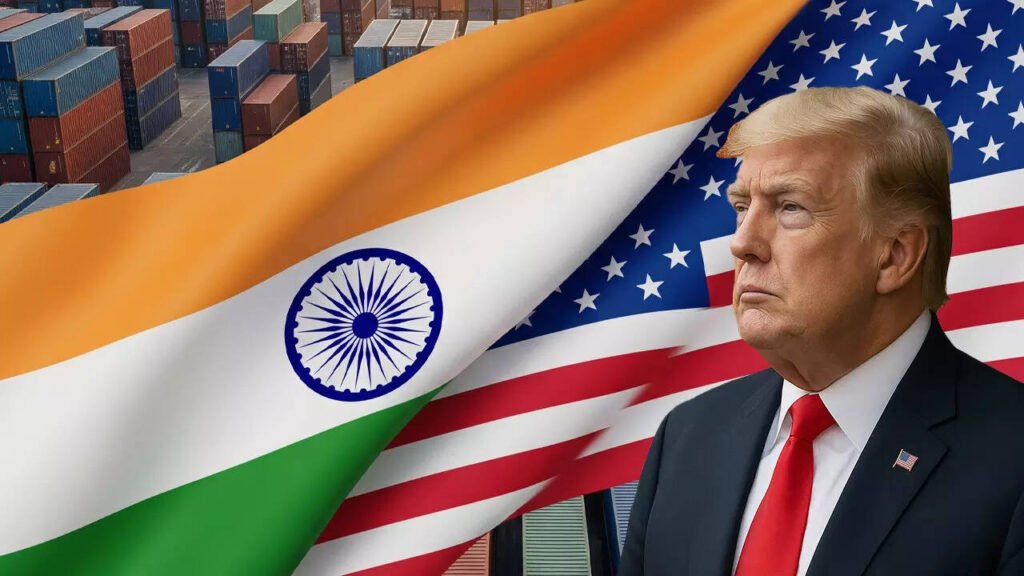
US President Donald Trump is once again in the news for imposing a 10% import duty on goods coming from 17 countries, including India. This decision is expected to make Indian products more expensive in the US market. However, Indian exporters say that we should not only look at the 10% tax, but also consider the tax rates imposed on our rival countries. FIEO : Matter of relief for India Ralhan, President of the exporter organization FIEO, said that it is a matter of relief for India that India has been placed in a lower slab of 10% than other countries. In contrast, India’s major competitors, such as China, Vietnam, Thailand, Turkey, UAE, Brazil, and South Africa, have been taxed at 12.5%. This will put India in a better position than many countries in the global market. India’s direct competitors, such as Pakistan and Sri Lanka, have also been taxed at 10% in textiles, leather, and footwear. Therefore, Indian exporters’ presence in these sectors will not be weakened, as competitors will also have to pay the same tax in the US. FIEO advised traders to carefully study US regulations for their products without panicking. Even though India has been placed in a lower tax bracket, a major crisis is looming for the textile industry. The US has granted a special exemption to India’s neighbor and biggest competitor, Bangladesh, as well as Cambodia, Indonesia, and Malaysia, allowing them to sell their goods in the US without additional tax if they purchase cotton from the US for textile production. India is out of the list of special tax exemptions According to the think tank minister, India has been excluded from this special tax exemption list. Ashwin Chandra, president of CITI, a major textile industry body, expressed deep concern over this, saying that raising the issue of forced labor as a reason for taxation is unfortunate and risks damaging the reputation of Indian products. The biggest problem is that countries like Bangladesh, which previously purchased large quantities of cotton and yarn from India for textile production, may now, due to tax exemptions from the US, begin purchasing cotton from the US instead of India, potentially causing significant losses to Indian cotton farmers and cotton mills. Potential $11 billion in losses The US is the world’s largest market for the Indian textile industry. India exports approximately $11 billion worth of textiles and finished garments to the US annually. Experts believe that the new US policy could lead many US companies to shift orders from India to countries like Cambodia or Bangladesh. While the Indian government is working to manage this situation, Commerce and Industry Minister Piyush Goyal had previously expressed hope that India would also reach a trade agreement with the US at a concessional rate for textiles made using American yarn and cotton. But Indian exporters hope that the government will soon find a positive solution to this problem through dialogue.