India Bolsters Iran Ties with Vishwesh Negi’s Appointment as Ambassador
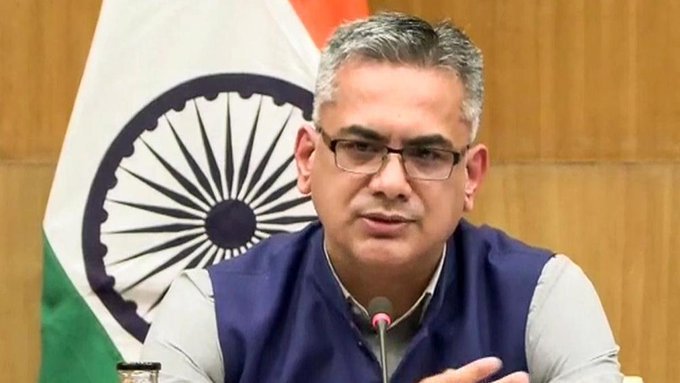
Amid the ongoing conflict between the US and Iran, significant news has emerged regarding India’s ties with Iran. The Ministry of External Affairs has appointed Vishwesh Negi as India’s new ambassador to Iran. A 2002-batch Indian Foreign Service officer, Negi currently serves as a Joint Secretary at the Ministry of External Affairs in Delhi. According to the Ministry, the new ambassador is expected to assume his diplomatic responsibilities in Tehran soon. Negi will take up this role at a time when strategic and trade relations between India and Iran are at a critical juncture. This development comes amidst heightened tensions. India has reiterated its concerns regarding the safety of commercial shipping routes and seafarers—particularly in the Strait of Hormuz—while advocating for dialogue and diplomatic efforts to resolve the current crisis. Prior to Negi’s appointment, External Affairs Minister S. Jaishankar spoke by phone with Iranian Foreign Minister Seyed Abbas Araghchi last Friday. During the conversation, he emphasized that there must be no attacks on commercial shipping or seafarers under any circumstances. The two leaders also discussed the evolving security situation in the region. Subsequently, Jaishankar posted on X, stating that he had conveyed India’s deep concern over the ongoing conflicts in West Asia and reiterated New Delhi’s support for dialogue and diplomacy. He stated, “Spoke to Iranian Foreign Minister Seyed Abbas Araghchi this evening; expressed deep concern over the ongoing conflicts in the region. Emphasized that attacks on commercial shipping and seafarers must not occur under any circumstances. India condemns any such attacks by any party. Was apprised of Iran’s perspective on current developments and ongoing discussions. India always supports dialogue and diplomacy.” Meanwhile, US President Donald Trump tweeted on X that talks with Iran—expected to take place through intermediaries—are set to begin on Monday. Similarly, Iranian state media has reported that talks between Iran and Oman regarding a joint operational mechanism to control the maritime corridor are in the final stages.
Shifting Global Power Dynamics Raise Tensions Among Major Nations
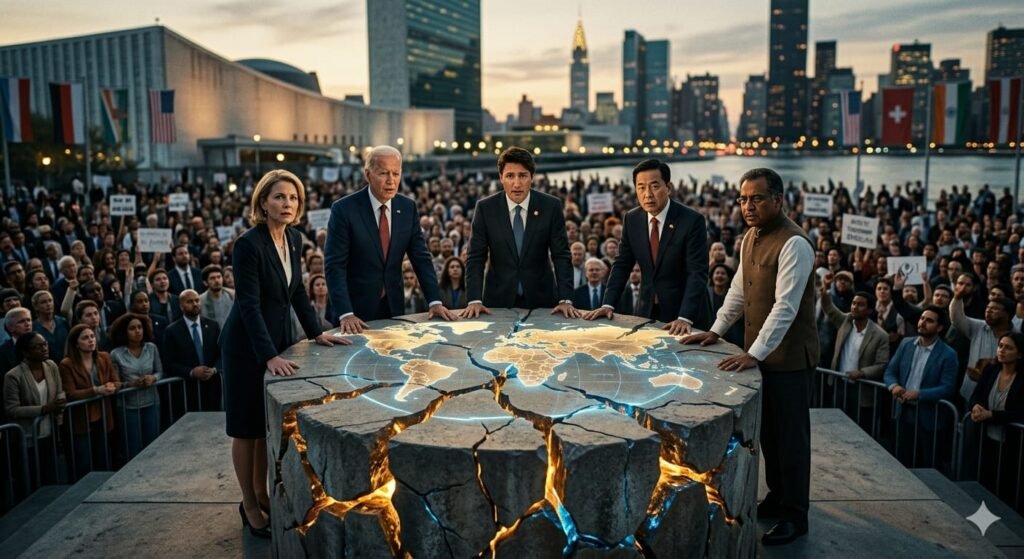
The relationship between global power and countries are changing significantly. According to Expert, the power of Western countries does not remain same as earlier they have been dealing with new challenges. key changes increase tension between US and China over Ukraine, tension between America and China increase after disruption’s, deep economic associate between China and America, and large problem created by middle East crisis are also included in it. America and Cuba conflict has increased pressure. America thinking about pressurizing Cuba by its policies, and considered Havana’s action a threat to national security. It also affect the flow of fuel supply. Through diplomatic influence, Washington offered economic and infrastructure help in exchange for important domestic changes. However, the situation remained tense because of severe fuel shortages and widespread power cuts in India. It talks about America’s current policies and new changes along with government discussion about relation between countries. Despite restrictions from Western countries China and Russia made decisions in the Beijing meeting to strengthen their cooperation and friendship. Bilateral relation between both the countries accelerate and crossed 200 billion dollar.This is mainly based on the demand for oil and gas, and depends on economic growth and GDP growth. To understand how these geopolitical changes are affecting markets and corporate strategies, you can look at further information. The clashes between US, Israel and Iran distrupting global energy routes especially around Strait of Hormuz.These conflicts are forcing big countries to change their plans and the Middle East is becoming more unstable because of energy problems and political changes.