
UP CM Yogi Adityanath Launches ₹5 Lakh Cashless Medical Scheme for Over 12 Lakh Teachers & Families
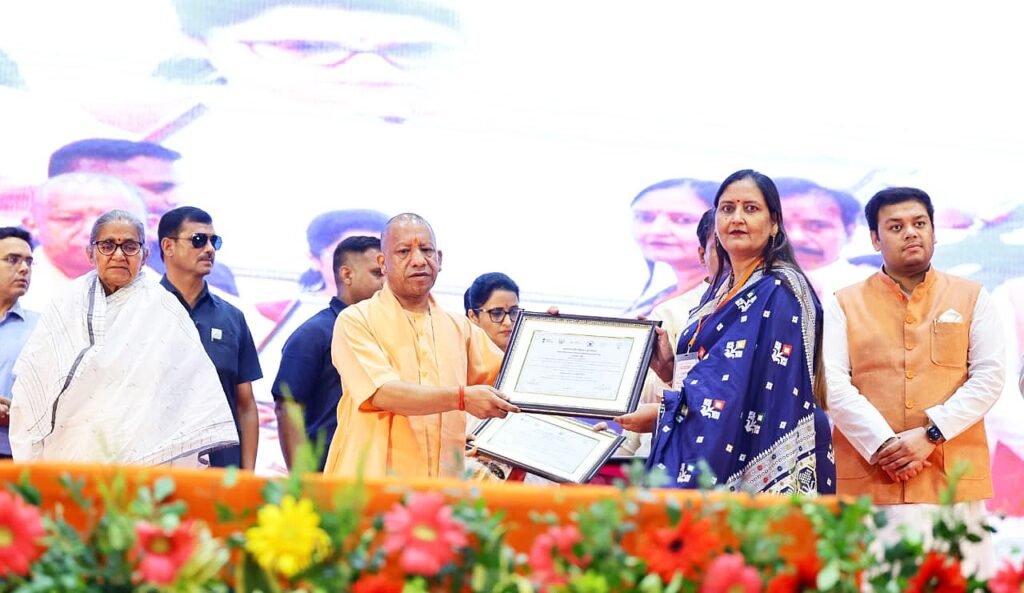
Uttar Pradesh Chief Minister Yogi Adityanath has announced the “Chief Minister’s Cashless Medical Scheme” for teachers and their families, which was launched today, July 8, 2026, in Varanasi. Under the scheme, more than 1.2 million teachers, Shiksha Mitras, instructors, cooks, and other staff from government primary and secondary schools in the state will receive cashless treatment up to ₹5 lakh per family per year. Eligible staff from Kasturba Gandhi Balika Vidyalayas are also included in the scheme. The “Chief Minister Teachers’ Cashless Medical Scheme” will provide teachers with the same benefits as those provided under the Ayushman Bharat Pradhan Mantri Jan Arogya Yojana. Under this scheme, teachers and their families will be able to avail cashless treatment at hospitals affiliated with Ayushman Bharat across the country. This will provide financial assistance for the treatment of serious illnesses, significantly reducing their burden. According to government information, teachers and staff from the Higher Education Department will also be included in this scheme in the future. There are three scheme CM Yogi said that there are three schemes: cashless medical treatment, DBT, and guaranteed social security. You didn’t ask for it, but we are concerned about your health. Uttar Pradesh was a sick state; eight years ago, people wandered to other states. This is no longer the case; people no longer face identity challenges. With the improvement of education, the state’s development accelerated. Previously, the Secondary Education Board exams used to last for three months, which was meaningless. I thank the teachers, thanks to whom, today, exams are being conducted in 15 days and results are also being announced. The Chief Minister’s Teacher Cashless Medical Scheme was also launched in the Bulandshahr Collectorate auditorium. Under this scheme, teachers and their families will benefit from cashless medical care. Additionally, a program to distribute ₹1,200 per student to students through DBT was also launched.
Ayodhya Ram Mandir Donation Row: Champat Rai, Trustee Anil Mishra Resign as SIT Probe Intensifies
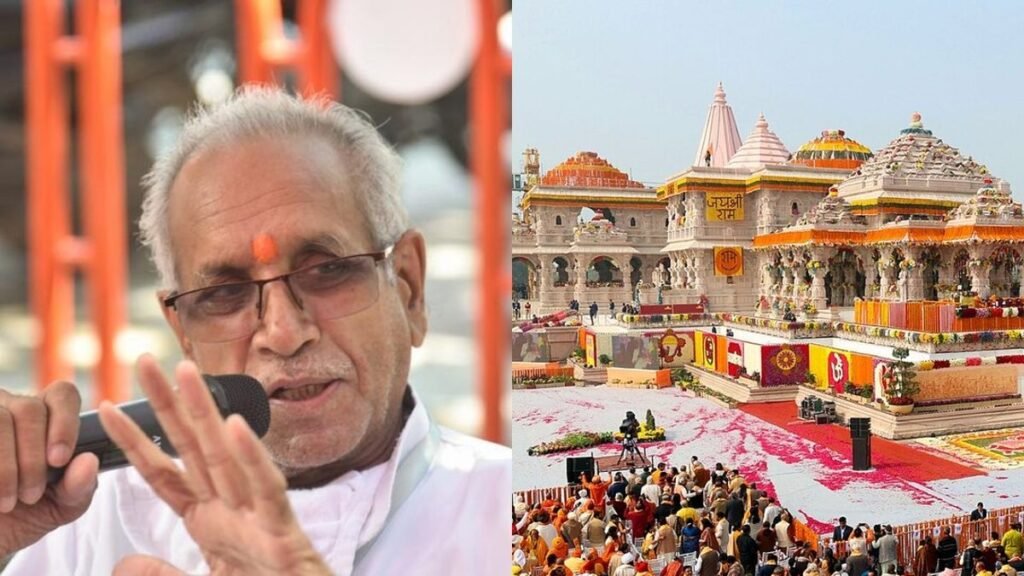
A case involving the alleged misappropriation of donations made by devotees at the Ram Mandir in Ayodhya has captured the nation’s attention. Questions regarding the management of donation funds at this temple—central to the faith of millions—have sparked a fresh debate on transparency and accountability. Amidst the intensifying investigation, Champat Rai, General Secretary of the Shri Ram Janmabhoomi Teerth Kshetra Trust, and Trustee Anil Mishra resigned from their respective posts on Friday. According to media reports, Champat Rai decided to step down on moral grounds. Prior to these resignations, a Special Investigation Team (SIT) constituted by the Uttar Pradesh government had submitted its preliminary investigation report. The report reportedly highlights several serious irregularities and administrative lapses concerning the collection, counting, record-keeping, and monitoring systems for donations and valuable offerings received at the temple. However, the investigation is ongoing, and final conclusions are yet to be reached. Based on the SIT’s preliminary report, the first FIR was registered at the Ram Janmabhoomi police station. The complaint was filed by Trust member Krishna Mohan, who had joined the Trust following the demise of former trustee Kameshwar Chaupal. The FIR alleges serious financial irregularities in the management of donations and offerings made by devotees. Within hours of the FIR being registered, the Uttar Pradesh Police arrested all eight individuals named in the case. The arrested accused include Avinash Shukla, Anukalp Mishra, Lavkush Mishra, Manish Kumar Yadav, Karunesh Pandey, Ramashankar Mishra, Subhash Srivastava, and Ramshankar Yadav (alias Tinnu). The police are interrogating the accused and examining documents and other evidence related to the case. The FIR includes charges of theft, criminal breach of trust, concealment of stolen property, criminal conspiracy, and various provisions of the Bharatiya Nyaya Sanhita (BNS), as well as the Prevention of Corruption Act. Investigative agencies are attempting to determine the extent of individual involvement in the alleged irregularities and identify the procedural lapses or malpractices that occurred in the management of donation funds. This matter is considered highly sensitive because the Ram Mandir in Ayodhya is a focal point of faith for millions of devotees. Every day, a large number of worshippers offer cash donations, gold, silver, and other valuables at the temple. Consequently, allegations regarding the misuse of donations have sparked public concern, intensifying demands for greater transparency and accountability in the temple trust’s financial operations. The investigation is currently underway, with agencies striving to uncover the full facts of the case. Only after the legal process concludes will it become clear how substantiated the allegations are, where the responsibility lies, and what further action will be taken.