
The Delhi government has approved a comprehensive Electric Vehicle (EV) Policy aimed at accelerating the shift to clean mobility and reducing air pollution in the national capital. The policy, which will be implemented in phases over four years beginning July 1, seeks to make Delhi a zero-emission transport hub by March 31, 2030 through large-scale adoption of electric vehicles and supporting infrastructure.
To encourage buyers, the policy exempts electric cars priced up to ₹30 lakh from registration fees and road tax, significantly lowering the cost of ownership. It also introduces an incentive of ₹1 lakh for individuals purchasing a new electric vehicle after scrapping an old, polluting vehicle. These measures are designed to boost EV adoption while replacing older, high-emission vehicles on Delhi’s roads.
A major regulatory provision of the policy mandates that from April 2028, only electric two-wheelers will be eligible for new registration in Delhi. This phased transition is expected to gradually reduce emissions from one of the city’s largest vehicle segments, while giving manufacturers, dealers, and consumers sufficient time to adapt to the new framework.
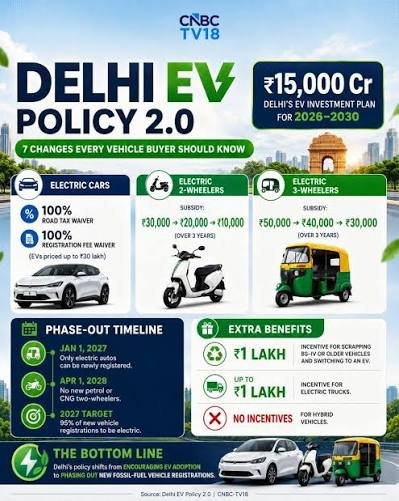
The government has committed an overall financial outlay of nearly ₹15,000 crore under the policy. Of this, around ₹8,000 crore will be invested in expanding EV charging infrastructure, strengthening the power network, and supporting the waiver of road taxes over the coming years. The remaining allocation will fund purchase incentives and other measures to make electric mobility more affordable and accessible.
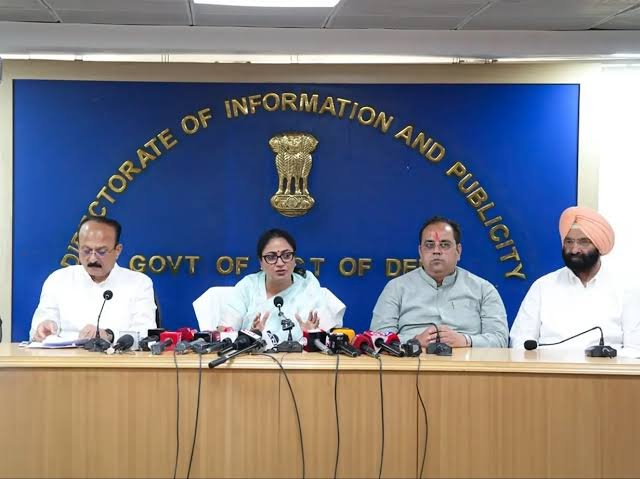
Addressing a press conference in New Delhi, Chief Minister Rekha Gupta said the policy is focused entirely on promoting zero-emission vehicles to improve air quality and public health. She said the government has prepared a phased implementation plan to ensure a smooth transition over the next four years. According to the Chief Minister, the policy will not only modernize Delhi’s transport system but also deliver benefits worth approximately ₹15,000 crore to residents while supporting the city’s long-term environmental and climate goals.