Rouse Avenue Court Clears Ex-BJP MP Brijbhushan of Sexual Harassment Charges; Trial Involved 32 Witnesses..
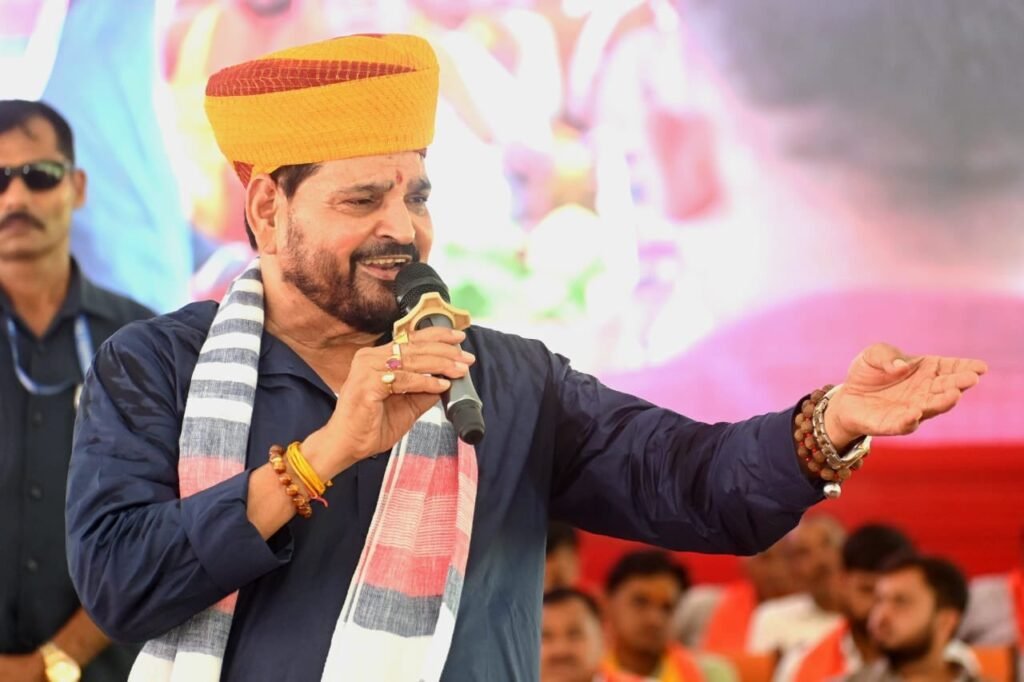
The Rouse Avenue Court in Delhi has acquitted former BJP MP and former President of the Wrestling Federation of India, Brijbhushan Sharan Singh, in a sexual harassment case filed by six female wrestlers. The court delivered this verdict on Monday, August 3rd. The court also acquitted another accused, Vinod Tomar. The trial in this case, involving allegations of sexual harassment of female athletes, had been ongoing since 2023. The trial has lasted approximately 1,133 days, with the court hearing 127 times. This sexual harassment case began on January 18, 2023, when approximately 30 wrestlers, including Vinesh Phogat, Sakshi Malik, and Bajrang Punia, staged a protest at Jantar Mantar in Delhi against Brijbhushan Sharan Singh, the then President of the Wrestling Federation of India. These wrestlers leveled serious allegations of sexual harassment, stalking, and criminal intimidation against Singh. Later, on April 21, 2023, seven female wrestlers, including a minor, filed a complaint of sexual harassment against Brijbhushan Singh with the Delhi Police. Following this, the wrestlers approached the Supreme Court. The case was heard in the Supreme Court on May 4, 2023. Rouse Avenue Court framed several charges against Brijbhushan On June 7, a meeting was held between the wrestlers and the Union Sports Minister. On June 15, the Delhi Police filed a charge sheet against Brijbhushan Singh and Vinod Tomar, the then Assistant Secretary of the Wrestling Federation of India. In May 2024, the Rouse Avenue Court framed several charges against Brijbhushan Sharan Singh, including sexual harassment, outraging the modesty of a woman, and criminal intimidation, but Brijbhushan Sharan Singh refused to accept the charges. In May 2025, Additional Sessions Judge Gomti Manocha of the Patiala House Court accepted the Delhi Police’s closure report in the POCSO case. On May 25, 2026, the testimony of the final prosecution witness was completed. A total of 32 witnesses were examined, while the prosecution removed nine witnesses. The statements of both accused were recorded on June 8, 2026. Final arguments began on June 9, and concluded on July 2. Subsequently, on August 3, 2026, the court delivered its verdict, acquitting Brijbhushan Singh. Brijbhushan Sharan Singh, in his first reaction to the court’s decision, said that the court initially stated in its decision that Brijbhushan Sharan Singh and Vinod Tomar were acquitted. My reaction is that on the first day when my statement came, I had said that if a verdict was passed, I would voluntarily hang myself. Today, the court acquitted me, which is a matter of joy for me and my supporters. When Brij Bhushan Sharan Singh was asked about wrestler Vinesh Phogat, he said, “There’s no need to name anyone. Priyanka came to Jantar Mantar along with the wrestlers. The Aam Aadmi Party was arranging all the food and drinks. Was anyone left on the Left or Right? There were demands for my hanging. Now they should look within themselves.” After the court’s decision, wrestler Bajrang Punia said, “Today’s decision makes it clear that they have all the power, they have everything. They broke the witnesses. We are now trying to find the detailed court order. We don’t understand on what basis she was acquitted.”
India Bolsters Iran Ties with Vishwesh Negi’s Appointment as Ambassador
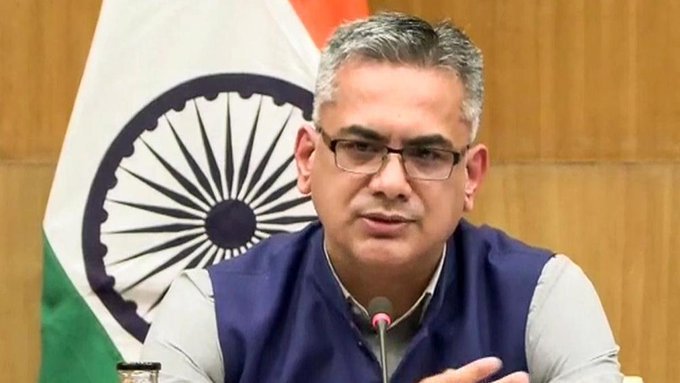
Amid the ongoing conflict between the US and Iran, significant news has emerged regarding India’s ties with Iran. The Ministry of External Affairs has appointed Vishwesh Negi as India’s new ambassador to Iran. A 2002-batch Indian Foreign Service officer, Negi currently serves as a Joint Secretary at the Ministry of External Affairs in Delhi. According to the Ministry, the new ambassador is expected to assume his diplomatic responsibilities in Tehran soon. Negi will take up this role at a time when strategic and trade relations between India and Iran are at a critical juncture. This development comes amidst heightened tensions. India has reiterated its concerns regarding the safety of commercial shipping routes and seafarers—particularly in the Strait of Hormuz—while advocating for dialogue and diplomatic efforts to resolve the current crisis. Prior to Negi’s appointment, External Affairs Minister S. Jaishankar spoke by phone with Iranian Foreign Minister Seyed Abbas Araghchi last Friday. During the conversation, he emphasized that there must be no attacks on commercial shipping or seafarers under any circumstances. The two leaders also discussed the evolving security situation in the region. Subsequently, Jaishankar posted on X, stating that he had conveyed India’s deep concern over the ongoing conflicts in West Asia and reiterated New Delhi’s support for dialogue and diplomacy. He stated, “Spoke to Iranian Foreign Minister Seyed Abbas Araghchi this evening; expressed deep concern over the ongoing conflicts in the region. Emphasized that attacks on commercial shipping and seafarers must not occur under any circumstances. India condemns any such attacks by any party. Was apprised of Iran’s perspective on current developments and ongoing discussions. India always supports dialogue and diplomacy.” Meanwhile, US President Donald Trump tweeted on X that talks with Iran—expected to take place through intermediaries—are set to begin on Monday. Similarly, Iranian state media has reported that talks between Iran and Oman regarding a joint operational mechanism to control the maritime corridor are in the final stages.
PM Modi Forgives Student for Abusive Slogans Against Him and Late Mother; Girl Apologizes to Nation..
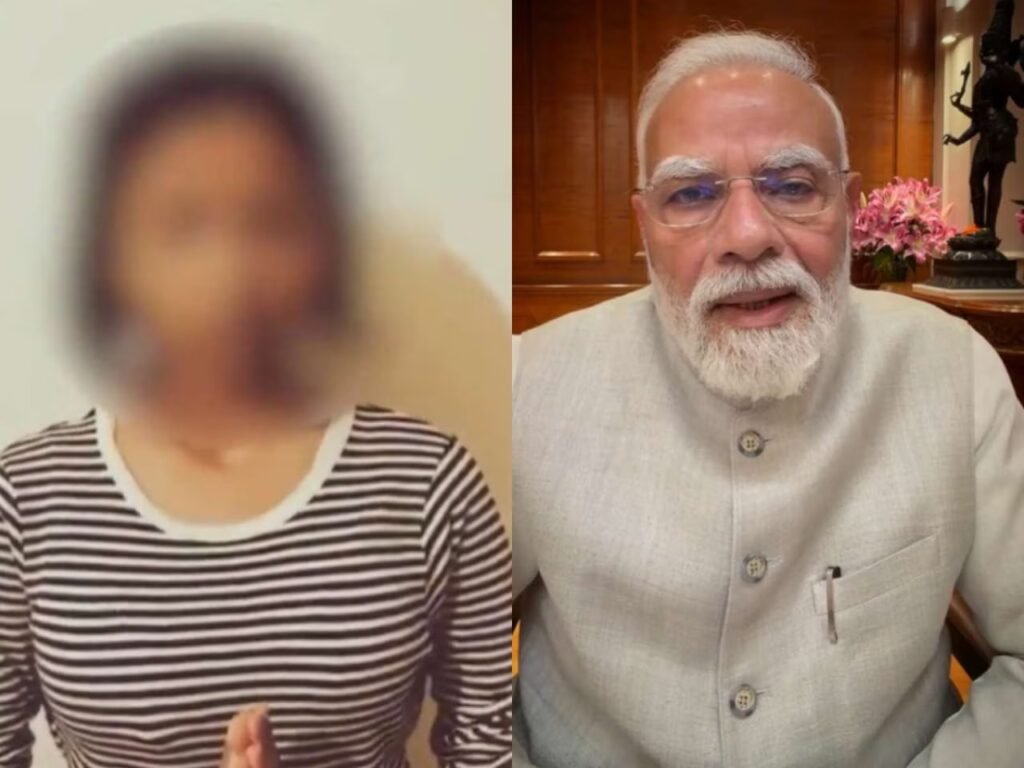
During the paper leak protest at Jantar Mantar in Delhi, abusive language was used against Prime Minister Narendra Modi. PM Modi released a video on social media on Saturday, August 1st. He expressed his forgiveness for the student who used abusive language during the protest. PM Modi stated that he and his late mother were abused during the protest. A video of the accused student has also surfaced in this matter. According to reports, the viral video shows the student claiming to be 15 years old, now pleading for forgiveness with folded hands. She claims she came to Connaught Place with friends to visit and joined the protest. She uttered abusive language under the influence of the crowd and in her excitement. The student also stated in the video that what she said was unpardonable and unforgivable. She stated that this was her first and last mistake, and that she apologizes to the nation and is deeply ashamed of her actions. She has realized the impact of her words and wants to apologize not only to the Prime Minister but to everyone across the country who was offended by them. The FIR reportedly lists her as 25 years old, but in the apology clip, she claims she’s only 15. She apologizes, saying she never intended to create such a controversy. Complaint was filed against the girl at a Noida police station The controversy began when a complaint was filed against the girl at a Noida police station on Wednesday for her comments about the Prime Minister. The Noida police registered a zero FIR and then transferred the complaint to the Parliament Street police station in New Delhi. The complainant stated that her comments had hurt the Prime Minister’s dignity and could vitiate the atmosphere and disrupt public peace. The student’s apology video surfaced just hours after Prime Minister Modi’s latest Instagram video, in which he appealed for restraint and forgiveness after abusive slogans were chanted against him during a student protest. In the message, he mentioned the recent events at Jantar Mantar, where some mischievous young men used language inappropriate for any civilized society and hurled filthy abuses. Responding to this, Prime Minister Modi stated that not only was he targeted, but his deceased mother was also treated very badly. Reflecting on the strong public reaction, Prime Minister Modi attributed this to childhood mistakes, noting that childhood offers the opportunity to correct those mistakes. Seeing the anger and resentment in society, he understood how deeply shocked people were by this student’s use of abusive language. He stated that the need of the hour is to embrace them and show them the right path. It is our duty to guide them; punishing them, dragging them to court, or harassing them in society will not change the situation. The Prime Minister clarified that he wishes to forgive them and hopes that society will accept their sentiments, stating that he has only one feeling in his heart.
ESMA implemented in Uttarakhand, strikes prohibited for six months..
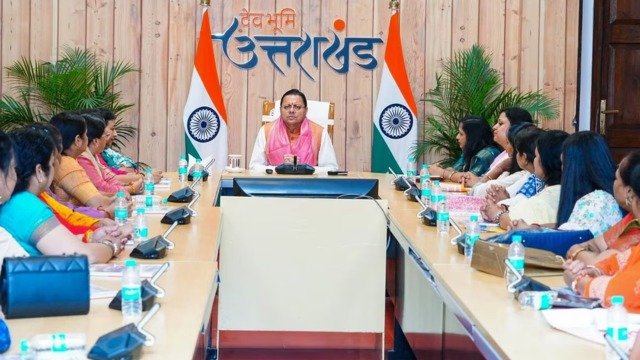
Big news is coming from Uttarakhand. The Uttarakhand government has implemented the Essential Services Maintenance Act (ESMA) across the state, under which any strike will be banned for the next six months. Personnel Secretary Shailesh Bagauli has issued orders regarding this. Protesters demanded an immediate halt to recruitment process This decision was taken in view of the ongoing protests by employee organizations. Due to this being an election year, employee organizations are preparing for a protest. Employees are pressuring the government to implement the old SP system before the implementation of the 8th Pay Commission. Immediately after the government implemented the ESMA in the state, Congress and D.El.Ed. trained candidates protested outside the Uttarakhand Subordinate Services Selection Commission program due to allegations of rigging in the secondary assistant teacher recruitment. The protesters locked the commission’s gate and demanded an immediate halt to the recruitment process. The commission took action and postponed document verification for the remaining posts. During the protest last Thursday, Congress state vice-president Suryakant Dhamana also reached the protest site and raised slogans in support of the protest activities. After this, angry people locked the gate of the commission.
Shilpa Bhatt Honoured with ‘Naari Samman’ by HT Digital Streams Limited for Excellence in Entrepreneurship
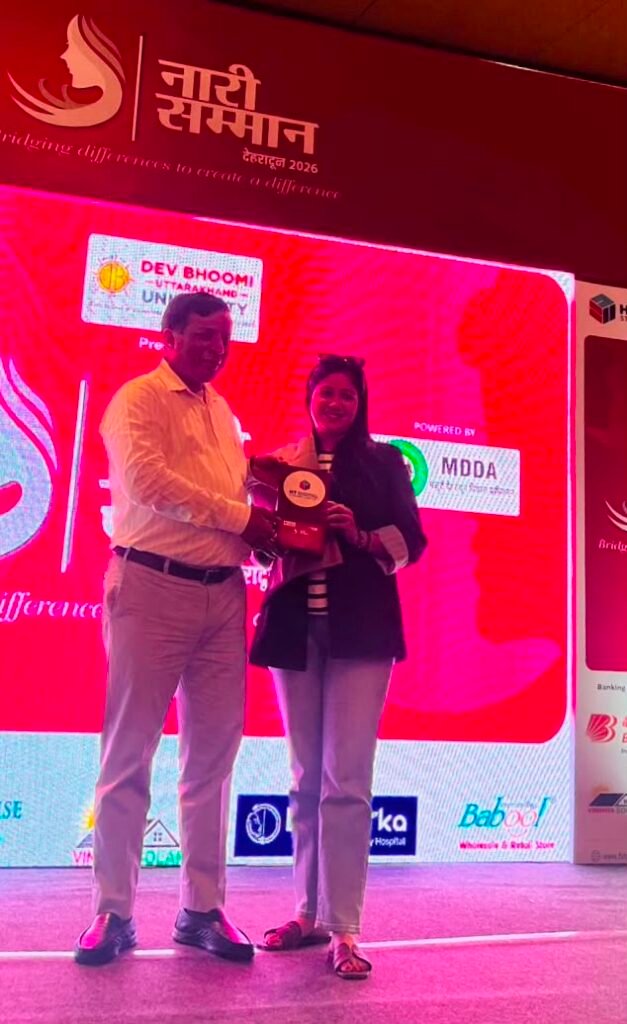
Dehradun: In recognition of her outstanding contribution to the food and hospitality industry, entrepreneur Shilpa Bhatt, Founder of Pizza Italia, has been honoured with the Naari Samman for Excellence in Entrepreneurship by HT Digital Streams Limited. The award celebrates women entrepreneurs who have demonstrated exceptional leadership, innovation, and a commitment to creating successful businesses while inspiring others through their entrepreneurial journey. Shilpa Bhatt founded Pizza Italia on 9 September 2016 with a vision to offer fresh, high-quality pizzas through a live kitchen concept and a customer-first approach. Over the years, the brand has earned a strong reputation for its quality, innovation, and dedication to delivering an exceptional dining experience. Under her leadership, Pizza Italia has become a recognized name in the food industry. Her journey reflects resilience, consistency, and a passion for excellence, inspiring aspiring entrepreneurs, particularly women, to pursue their business ambitions with confidence. Shilpa Bhatt’s entrepreneurial achievements have also been recognised through several prestigious honours, including the Young Entrepreneur Award, Best Entrepreneurial Journey Award, Best Pizza Outlet Award, Youth Icon Award, and Vocal for Local Award. Receiving the Naari Samman, Shilpa Bhatt expressed her gratitude and dedicated the honour to every entrepreneur who believes in turning dreams into reality through hard work, innovation, and perseverance. She reaffirmed her commitment to continuing Pizza Italia’s journey of excellence while contributing to the growth of India’s food and hospitality sector. The Naari Samman for Excellence in Entrepreneurship by HT Digital Streams Limited stands as another milestone in Shilpa Bhatt’s inspiring entrepreneurial journey, recognizing her dedication to building a trusted food brand and encouraging women to lead with vision, determination, and purpose.
BJP National Spokesperson Shahzad Poonawalla Resigns from Party, Cites Personal Reasons..
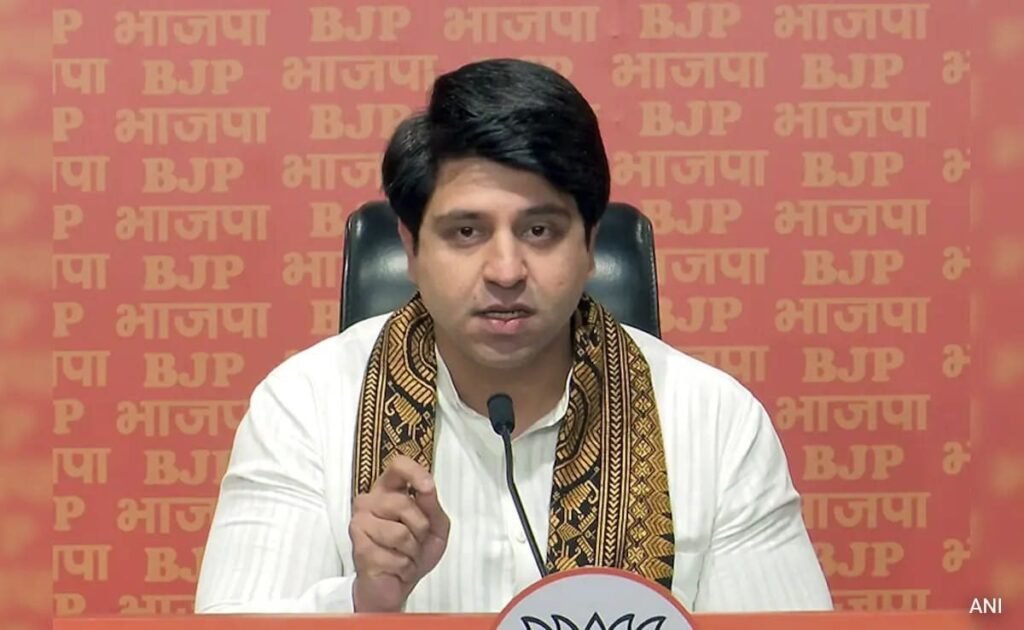
BJP leader and national spokesperson Shahzad Poonawalla has abruptly resigned from the BJP, citing personal reasons. However, an official announcement on this matter has not yet been made. Poonawalla updated his bio on his social media account, X, without mentioning the BJP. He stated that an official statement regarding his resignation will be issued soon. His sudden resignation from the party has surprised political analysts. A day before his resignation, Shahzad Poonawala shared an old interview in which he stated that he was considering a departure from active politics. He said, “I have been in active politics for about 18-19 years. I started at a very young age and have now reached the point I wanted to reach.” Poonawala explained that he initially decided to leave politics after Prime Minister Modi secured a third consecutive term in the 2024 Lok Sabha elections. However, he subsequently decided to remain active to help the BJP in key assembly elections, including in Delhi, Maharashtra, and West Bengal. He further stated that he now feels the time has come to move on from active political life. 38-year-old Shahzad Poonawalla is known as the BJP’s chief spokesperson. He began his political career with the Congress party. He served as vice-president of the National Students’ Union of India (NSUI) in Pune, a member of the All India Congress Committee’s media cell’s research team, and secretary of the Maharashtra Congress. However, in 2017, after questions arose about Rahul Gandhi’s leadership, he joined the BJP. He publicly challenged the presidential election within the Congress party, alleging that the election was rigged to make Rahul Gandhi president. He demanded a transparent and merit-based election and asked whether Rahul Gandhi would resign from his post and contest the election as an ordinary member of the party. This public rebellion led to his isolation within the Congress party, and he eventually left the party. During the 2017 Gujarat Assembly election campaign, PM Modi praised Shahzad Poonawalla for publicly exposing the lack of internal democracy within the Congress.
Dr. Vipin Gaur Meets Minister Dr. L. Murugan – A Warm and Useful Conversation…
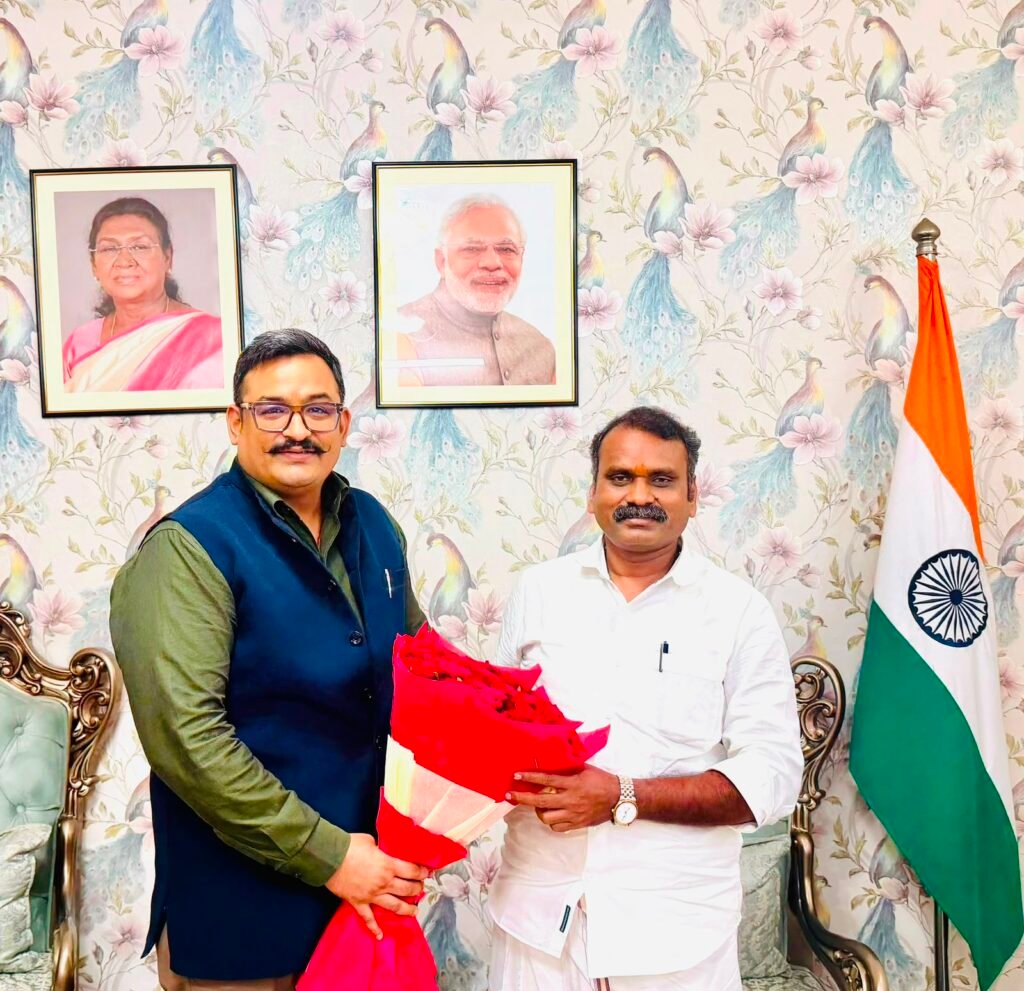
Dr. Vipin Gaur, the General Secretary of the Newspaper Association of India, sat down with Union Minister of State for Information and Broadcasting and Parliamentary Affairs, Dr. L. Murugan, for a courteous and open conversation. It wasn’t some stiff formal event. It was a proper discussion where both sides talked freely about the things that actually matter to Indian media right now. Dr. Gaur told the minister about the work his association has been doing across the country – the programmes they run, the efforts they make to stand up for newspapers and journalists, and the steps they’re taking to keep journalism ethical and responsible. He spoke about how digital media is growing so fast these days, how broadcasting needs better technology, and how the Indian film and entertainment world can become stronger on the world stage. They also talked about giving young people more chances in these fields and encouraging fresh ideas. What stood out was how Dr. Gaur appreciated the minister’s simple and humble way of working. He said Dr. Murugan’s quiet commitment to growing the information and broadcasting sector, keeping creative conversations alive, and making the media community stronger really comes through. That kind of approach makes people feel heard. They didn’t just stick to one topic. They exchanged thoughts on several important issues that are in the news these days, and the tone stayed positive throughout. At the end, Dr. Gaur shared a clear hope – that if the government, media institutions, and journalists’ organisations keep talking and working together, Indian media, journalism, and the creative industries will find a better direction. He believes this kind of steady cooperation will make responsible, trustworthy journalism even stronger. The Newspaper Association of India has been quietly doing a lot of groundwork – protecting journalists’ interests, supporting media education, helping young reporters build skills, and recognising good work at the national level. Meetings like this one give them a chance to share what’s happening on the ground and also hear the government’s side of things. It’s the kind of conversation that doesn’t make big headlines every day, but it matters. When people from the media side and the government side sit across a table and talk honestly about technology changes, digital growth, broadcasting upgrades, and how to keep public interest at the centre, something useful usually comes out of it. Dr. Gaur explained the association’s different initiatives in detail, and the minister listened. That simple exchange of information and ideas is how better understanding starts. Both sides seem to want the same basic things – a stronger, more professional media that serves people well and can hold its own internationally, especially in films and entertainment where so many young talents are looking for opportunities. In a time when everything is changing so quickly – from how news reaches us to how stories are told on screens – these calm, respectful conversations help everyone stay on the same page. No drama, no big speeches. Just two people who care about the media ecosystem sitting together and talking about what needs attention and how things can move forward. Dr. Gaur left the meeting feeling hopeful. He believes that continuous dialogue will give Indian journalism and the creative industries the fresh push they need. And honestly, that kind of quiet confidence is worth noting. The Newspaper Association of India will keep doing its work – supporting journalists, building skills, promoting ethical standards, and recognising people who do good reporting. And conversations like the one with Dr. Murugan help keep the door open so that practical issues can be discussed whenever they come up. That’s really the heart of it. A straightforward, respectful meeting in New Delhi where media and government talked about real concerns and shared a common wish for a stronger, more responsible Indian media landscape. Sources:Smart Vision Samachar, Ghaziabad edition, Thursday 30 July 2026
Sonu Sood Slams Kangana Ranaut Over ‘Generation Gutter’ Remark: “It’s a Shame”
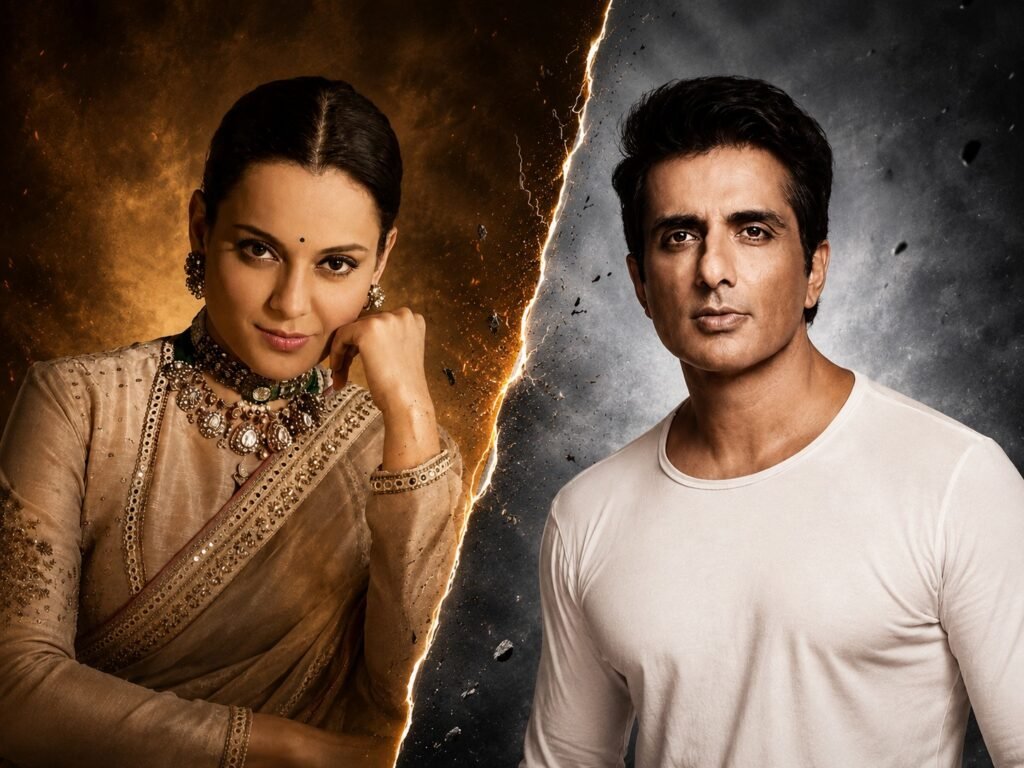
Following student protests over the NEET paper leak, BJP MP and actress Kangana Ranaut made controversial remarks about Gen-Z protesters. Bollywood actor Sonu Sood responded by calling the actress’s remarks shameful and criticizing her. This statement reportedly came after Kangana faced criticism online via social media regarding Gen-Z protesters at Jantar Mantar in Delhi and other locations. She described the protesters’ behavior and language as nauseating and labeled Gen-Z as “Generation Gutter.” During a press conference on Wednesday, July 29th, journalists asked Sonu Sood for his opinion on Kangana Ranaut’s statements. He stated that he hadn’t initially heard her comments, but emphasized that any professional’s standing is determined by public support. Sonu Sood said, “I haven’t heard her statement, but I believe that these young people are the ones who make you an actress and bring you to this level. As long as they are with you, you will be there. If they are not there, you know you will suffer. Therefore, we should take everyone along.” No matter what your profession is, whether you are an actor, a doctor, or anything else, as long as people are connected with you, your existence is valid in the world. When asked by a reporter about Kangana Ranaut’s “Generations of the Gutter” statement, Sonu Sood said, “What can I say? It’s a shame she said that. It’s not something you should say in a distorted way. It’s very important to speak thoughtfully, because the public is another form of God.” The controversy began when Kangana posted a video of a protest, in which she said, “I have never seen so many ugly things in one place in my life. Watching these reels of Gen-Z protests makes me nauseous, the way they talk and the kind of language they use.” I’ve never seen such a bizarre and ugly thing in every frame in my life. She also alleged that the protesters are taking advantage of the freedom they have been given and are promoting drug use while being financially dependent on their parents. She further said, “I call them Generation Gutter. Some of them have nothing to offer to the system, are not good at studies, and are so ugly and corrupt that they can’t even manage their homes.”
India-China Border Trade Resumes After 6 Years: First Traders Cross Empty-Handed on August 1st
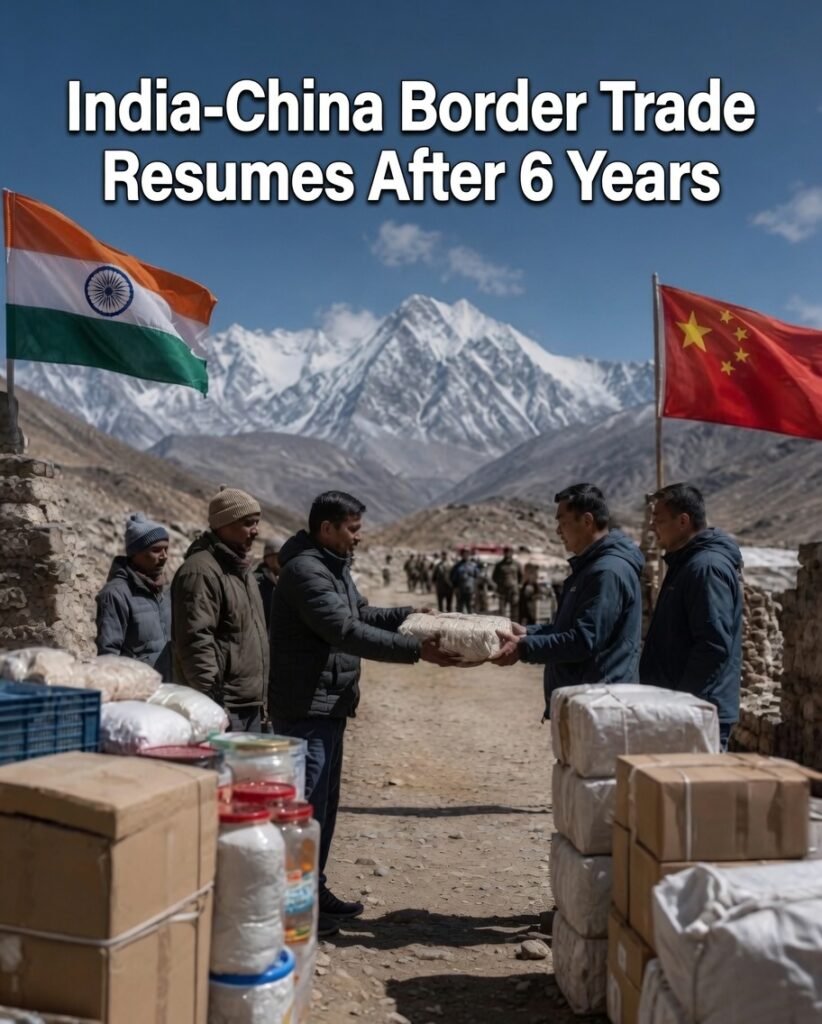
Big news is emerging regarding India-China trade. After six years, there is hope for the resumption of trade across the border between India and China, but the start for Indian traders is likely to be marked by disappointment and uncertainty. On August 1st, the first group of traders will depart for Taklakot Mandi in Tibet (China). However, they have not been permitted to carry any merchandise with them, so they will cross the border empty-handed. It should be noted that border trade had been halted since 2019 due to the closure of the Lipulekh Pass. Traders were excited by the prospect of resumption of border trade in June. In June, they had even prepared provisions for trade. In June, many traders reached Ganji with their goods, but after being denied permission to cross the border by the Chinese administration, they were forced to return to Dharchula, leaving goods worth lakhs of rupees behind. Permission granted to visit the Takla Kot Mandi for the first batch The Chinese administration has now granted permission to visit the Takla Kot Mandi for the first batch. This group includes only those traders whose goods from the previous trade period are still stored in the warehouse at the Takla Kot Mandi. The India-China Border Trade Committee stated that this time, only those traders whose goods are already stored in the warehouse have been granted permission to trade. This time, traders are only permitted to travel; no traders are allowed to transport goods. It should be noted that the first batch of traders will depart for the Takla Kot Mandi on August 1st. This first batch includes traders and their assistants. This group will arrive at the Takla Kot Mandi and assess the market’s arrangements, the condition of shops, and the Chinese administration’s stance. Traders believe that the first batch’s visit and discussions with Chinese officials will clarify when and in what form the regular market will resume. Two crucial months of trade at the India-China border have passed. If permission is granted after the first week of August, Indian traders will have limited time for business.Send feedback
India Clinch 10 Medals at CWG 2026: Mirabai Chanu & Sharmila Dhankhar Shine with Golds..
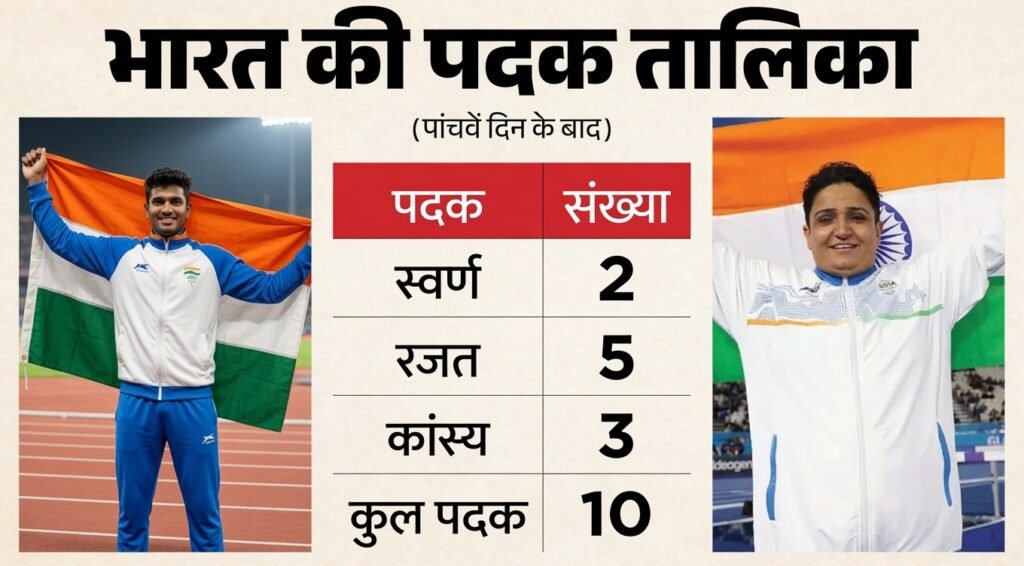
India’s excellent performance continues in the ongoing Commonwealth Games 2026 in Glasgow. Indian players have brought laurels to the country by performing strongly in weightlifting, athletics and parasports. India has won a total of 10 medals so far in the Commonwealth Games 2026, which includes 2 gold, 5 silver and 3 bronze medals. The first gold medal for India was won by star weightlifter Mirabai Chanu in the women’s 48kg category. This is her third consecutive gold medal in the Commonwealth Games. The second gold medal was won by Sharmila Dhankhar in the women’s shot put F57 category of para athletics. With this, she became the first Indian player to win gold in para athletics in the Commonwealth Games. The silver medalists included Rishikant Singh (men’s 60 kg weightlifting), Raja Muthupadi (men’s 65 kg weightlifting), Gyaneshwar Yadav (women’s 53 kg weightlifting), Valluri Ajay Babu (men’s 79 kg weightlifting) and Sarvesh Kushare (high jump). Sarvesh brought India a major success by winning a historic silver medal in high jump. The bronze medalists included Jhandu Kumar (para powerlifting), Bindyarani Devi (women’s 58 kg weightlifting) and Shilpa Shayla (para athletics, women’s shot put F57). Weightlifting has been India’s most successful sport at the Glasgow Games so far, winning six medals Here the list