PM Narendra Modi Strengthens India–Indonesia Ties: UPI–QRIS Digital Payments Pact, Defense Cooperation, and Indonesia’s Highest Civilian Honor Mark Historic Visit
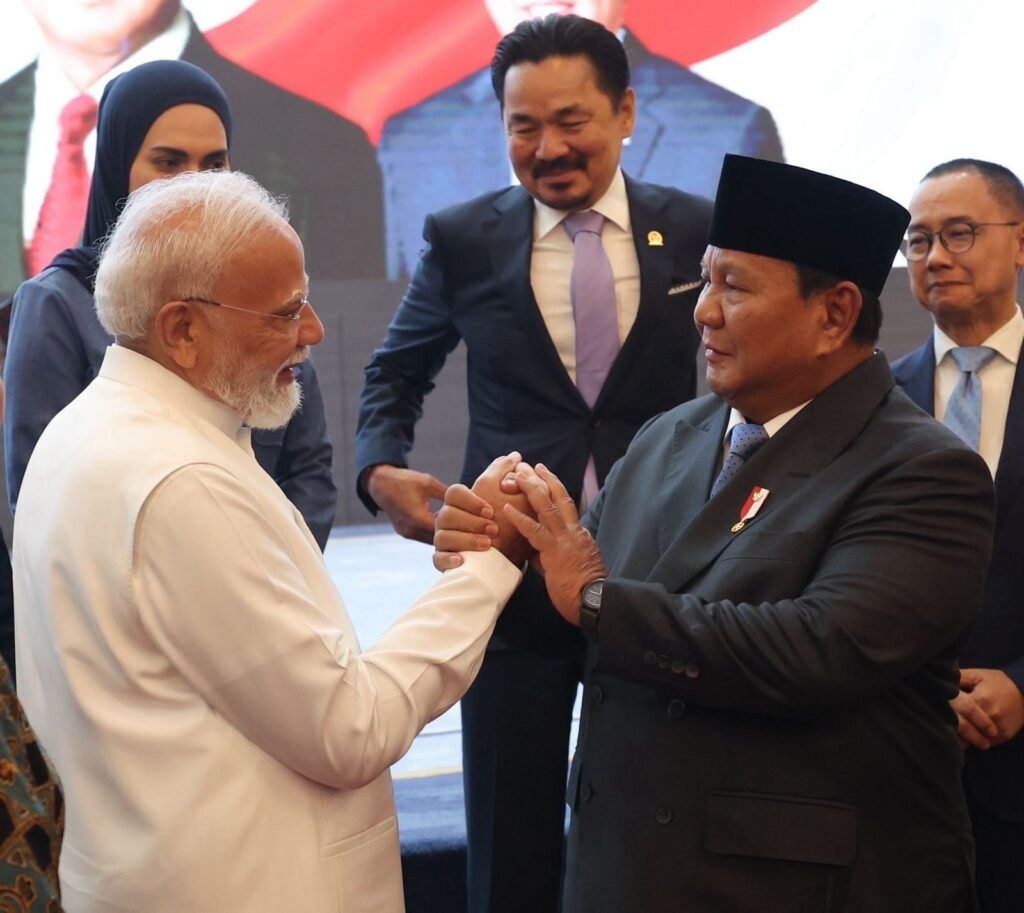
Prime Minister Narendra Modi is on an official state visit to Indonesia from July 6 to July 8, 2026. Upon his arrival in Jakarta, Indonesian President Prabowo Subianto accorded Prime Minister Narendra Modi a warm welcome. During this visit, the two countries agreed on a Digital Public Infrastructure (DPI), which included a digital payment agreement between India’s UPI and Indonesia’s QRIS. This will make payments much easier, faster, and cheaper for millions of Indian tourists visiting Bali and other Indonesian tourist destinations. Indian businesses doing business with Indonesia will also benefit. Important discussions were also held on defense relations and cultural exchanges. The two leaders also held detailed discussions on strengthening bilateral defense cooperation and increasing trade in critical minerals. It is worth noting that Prime Minister Narendra Modi was awarded Indonesia’s highest civilian honor, the “Bintang Adipurna of the Republic.”
Uttarakhand Congress Releases District, block & Metropolitan Executive Committees Ahead of 2027 Elections
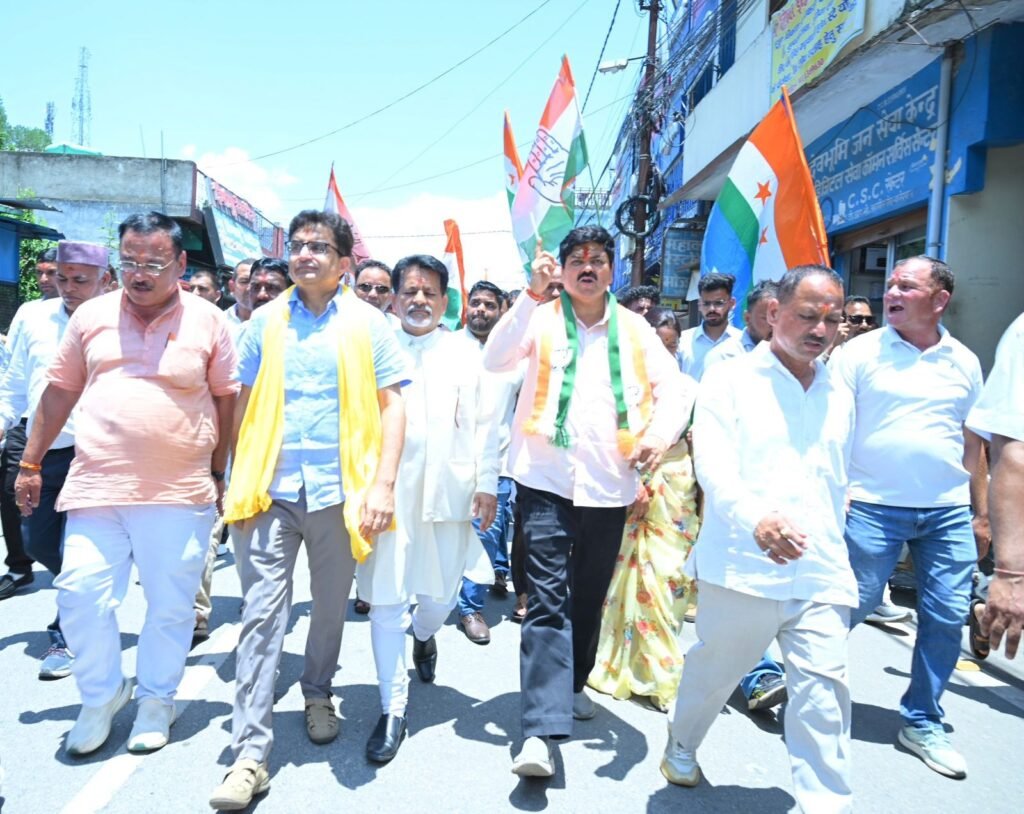
The Uttarakhand Congress has begun preparations for the upcoming 2027 assembly elections. The party has announced the executive committees of the various district and metropolitan Congress committees. This announcement was made by the Uttarakhand Congress following approval and recommendation from the All India Congress Committee. The executive committee announced by Congress General Secretary (Organization) Rajendra Singh Bhandari includes the executive committees of various districts and metropolitan areas, including the organizational districts of Uttarkashi, Purola, Kotdwar Metropolitan, Pauri Garhwal, Chamoli, Tehri Garhwal, Rudraprayag, Devprayag, Haridwar, Roorkee, Dehradun, Rudrapur, and Kashipur Metropolitan, as well as Udham Singh Nagar, Almora, Bageshwar, Pithoragarh, Didihat, and Champawat. See the full list here
PM Modi’s Three-Country Tour Begins July 6, Focus on Trade, Business and Strategic Ties
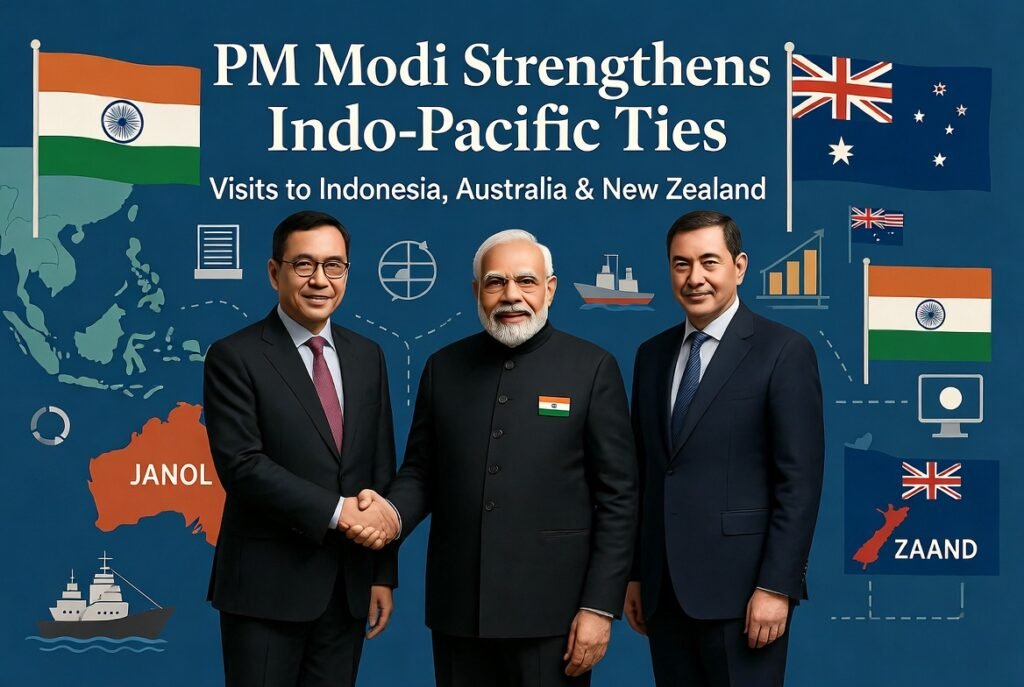
Prime Minister Narendra Modi is set to embark on a visit to three countries—Indonesia, Australia, and New Zealand—from July 6 to July 11. During this tour, he will participate in business and sports-related events as well as CEO forums. Notably, he will become the first Indian Prime Minister to visit New Zealand in 40 years. Throughout the tour, the Prime Minister will hold bilateral talks with the leaders of these nations, meet with prominent business figures, and address the Indian diaspora. During the Indonesia leg of the trip, PM Modi will visit a temple complex; in Australia, he will attend the India-Australia CEO Forum; and in New Zealand, he will meet with personalities from the business and sports worlds. As mentioned, this marks the first state visit by an Indian Prime Minister to New Zealand in nearly four decades.
Major action after Ram Mandir donation controversy, Trust changes donation counting rules
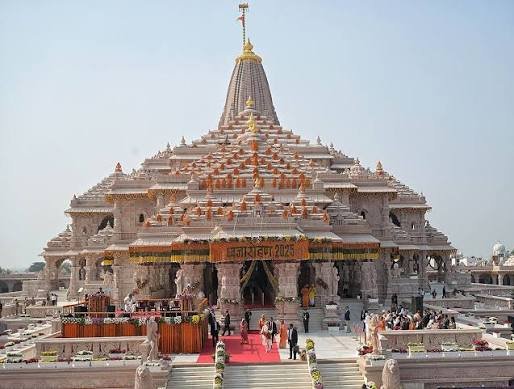
In the wake of the Ram Mandir donation scam, the Ram Mandir Tirath Kshetra Trust has implemented significant changes to enhance security and transparency in the donation counting process. Strict security measures and a double-checking system have been introduced for entry into the counting hall. A new dress code has been mandated for staff, requiring them to wear dark blue uniforms without pockets. Additionally, all employees must undergo a two-stage security check before entering the hall, and the counting work will be conducted while seated on the floor. Mobile phones, cameras, bags, and other personal belongings are strictly prohibited inside the counting hall. The issue of theft regarding temple offerings continues to unfold with new revelations; significant details have emerged concerning the accused, Anukalp Mishra. It is alleged that entry passes were issued in Anukalp Mishra’s name for special temple events, granting him access to the temple complex as an event coordinator. Using this pass, he would participate in the process of counting the donation money. Meanwhile, regarding the theft of offerings, Mahendra Das Maharaj, a member of the Shri Ram Janmabhoomi Teerth Kshetra Trust, has demanded strict action against the culprits. He further stated that those who commit crimes in the abode of the Lord should be sent straight to the gallows.
101-Year-Old Freedom Fighter Pandit Ram Kishan Joins Youth Protest at Jantar Mantar..
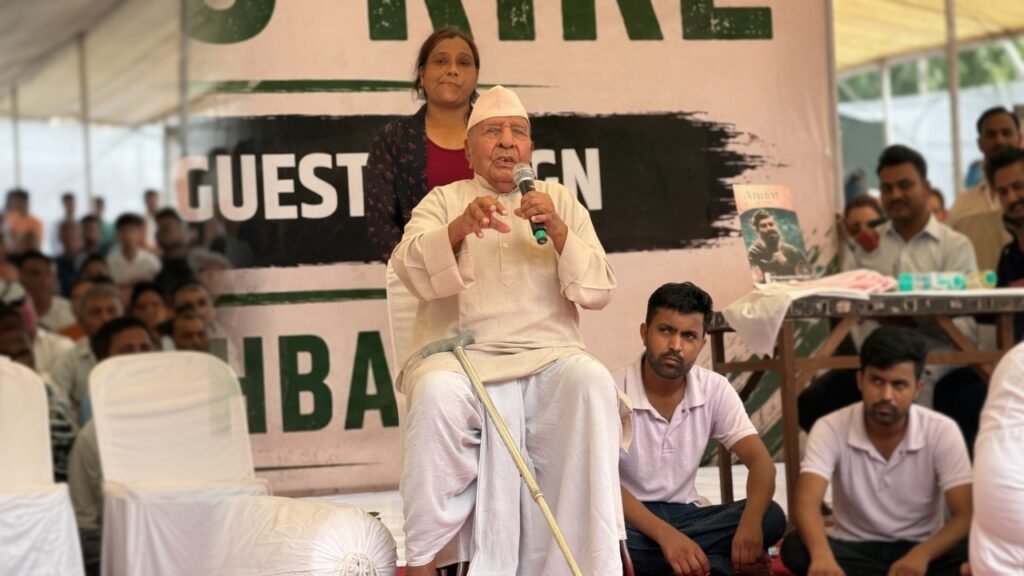
101-year-old freedom fighter and socialist leader Pandit Ram Kishan recently expressed his support for the future of youth by joining the CJP protest at Jantar Mantar in Delhi. Born in Bharatpur, Rajasthan, Pandit Ram Kishan is one of India’s oldest living freedom fighters. He participated in the Quit India Movement of 1942. Pandit Ram Kishan was honored with the title of Shatabdi Purush He subsequently became active in social work alongside the then socialist icon Dr. Ram Manohar Lohia. Pandit Ram Kishan continues to fight on the streets against major issues facing the country, such as recent exam rigging and the rights of youth. Pandit Ram Kishan was arrested several times while fighting for the rights of tribals, Dalits, and the poor. He was honored with the title of Shatabdi Purush (Person of the Century) in New Delhi for his invaluable contribution to the socialist movement. He was also elected to the Rajasthan Legislative Assembly four times in 1962, 1967, 1974, and 1990, and to the Lok Sabha once in 1977. He also led a long-running movement for water rights for local people in Bharatpur, Rajasthan.
Takaichi in Delhi: Japan and India Vow to Deepen Strategic Ties and Boost Economic Security
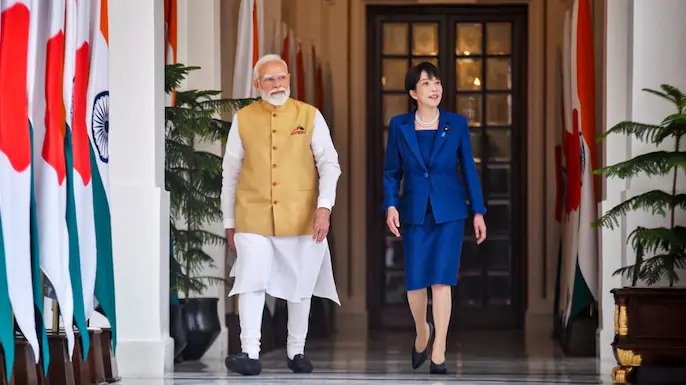
Japanese Prime Minister Sanae Takaichi arrived in India on Wednesday for a three-day visit from July 1 to 3. This is her first visit to India since becoming Prime Minister. During this visit, she will participate in the 16th India-Japan Annual Summit and hold bilateral talks with Prime Minister Narendra Modi. The two sides will also review and strengthen the scope of mutual cooperation, and exchange views on regional and global issues of mutual benefit. The Japanese Prime Minister was given a grand welcome at Rashtrapati Bhavan on Thursday, June 2, and received a guard of honor. Japan-India strategic partnership in light Takaichi told reporters in Tokyo on Wednesday, “Through this visit, I hope to advance concrete cooperation with Prime Minister Modi in three key areas: deepening the Japan-India strategic partnership in light of the current international situation, promoting cooperation in economic security, and strengthening cooperation between the businesses of our two countries in investment and innovation.” The Japan-India Join Economic Forum will be held on the occasion of this visit, in which representatives of more than 150 Japanese companies and business organizations will participate. He said that by working together with the private sector, I hope that the scope of Japan-India cooperation will expand and a stronger economy will emerge. Takaichi said that India and Japan have the responsibility of maintaining peace and stability in the Indo-Pacific region. He said that he is looking forward to discussing with Prime Minister Narendra Modi on efforts to realize a free and open Indo-Pacific. India, along with Japan, is one of the leading democracies in Asia and shares the responsibility of maintaining peace and stability in the Indo-Pacific region.
Delhi Launches Four-Year Electric Vehicle Roadmap, Targets Pollution-Free Mobility by 2030…
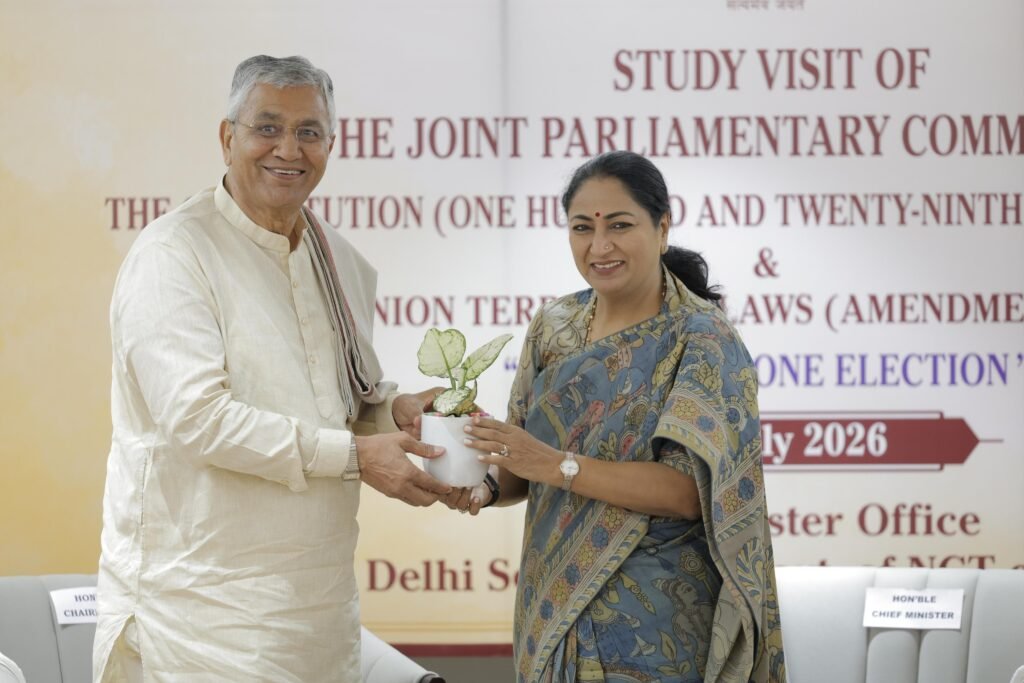
The Delhi government has approved a comprehensive Electric Vehicle (EV) Policy aimed at accelerating the shift to clean mobility and reducing air pollution in the national capital. The policy, which will be implemented in phases over four years beginning July 1, seeks to make Delhi a zero-emission transport hub by March 31, 2030 through large-scale adoption of electric vehicles and supporting infrastructure. To encourage buyers, the policy exempts electric cars priced up to ₹30 lakh from registration fees and road tax, significantly lowering the cost of ownership. It also introduces an incentive of ₹1 lakh for individuals purchasing a new electric vehicle after scrapping an old, polluting vehicle. These measures are designed to boost EV adoption while replacing older, high-emission vehicles on Delhi’s roads. A major regulatory provision of the policy mandates that from April 2028, only electric two-wheelers will be eligible for new registration in Delhi. This phased transition is expected to gradually reduce emissions from one of the city’s largest vehicle segments, while giving manufacturers, dealers, and consumers sufficient time to adapt to the new framework. The government has committed an overall financial outlay of nearly ₹15,000 crore under the policy. Of this, around ₹8,000 crore will be invested in expanding EV charging infrastructure, strengthening the power network, and supporting the waiver of road taxes over the coming years. The remaining allocation will fund purchase incentives and other measures to make electric mobility more affordable and accessible. Addressing a press conference in New Delhi, Chief Minister Rekha Gupta said the policy is focused entirely on promoting zero-emission vehicles to improve air quality and public health. She said the government has prepared a phased implementation plan to ensure a smooth transition over the next four years. According to the Chief Minister, the policy will not only modernize Delhi’s transport system but also deliver benefits worth approximately ₹15,000 crore to residents while supporting the city’s long-term environmental and climate goals.
Indian Army Fully Capable of Multi-Dimensional Warfare, Says Outgoing Chief Gen Dwivedi…..
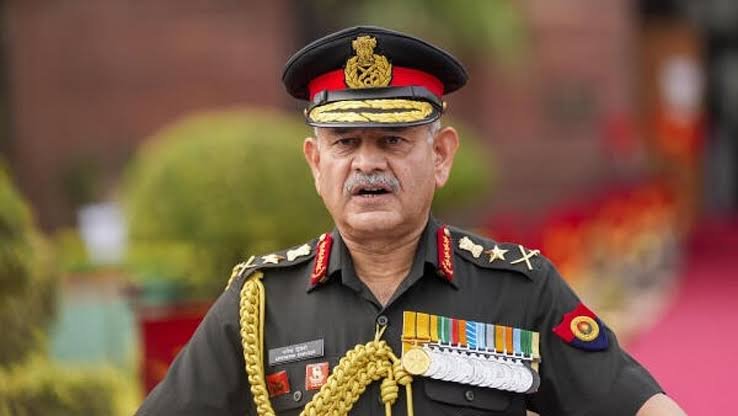
General Upendra Dwivedi, the 30th Chief of the Indian Army Staff, whose term ends today, June 30, 2026, has formally handed over the reins to General Dheeraj Seth. In an interview at the conclusion of his tenure, he spoke about the country’s security strategy, describing the Indian Army as fully capable of fighting multi-dimensional warfare on the front lines. He described the success as collective, stating that the focus has been on promoting transformation, jointness, and self-reliance. The biggest achievement is “Operation Sindoor,” which validated the service’s jointness and its ability to fight future-ready wars. It demonstrated the true strength of the national security architecture. The operation successfully demonstrated the practices we had been practicing in secure communications, cyber networks, and precision routing capabilities on a real battlefield. He stated that transformation is a continuous journey that requires sustained efforts to implement organizational reforms and technological integration. Modernization isn’t limited to the purchase of new weapons; it encompasses strategy, organizational structure, technology, and training. Operation Sindoor has clearly demonstrated that victory in future wars will depend on rapidly integrating intelligence, sensors, snipers, and networks. Specialized units like the Rudra Brigade, Bhairav Battalion, Ashri Drone Platoon, and Shaktiman Regiment have been created for this purpose. The current priority is the “absorption” of these new systems so that soldiers can respond quickly through the network. He also described the “Baaz Battalion” as a game-changer in strengthening drone capabilities. A dedicated pool of technical military experts is being created to manage the drone ecosystem, with the aim of enhancing surveillance capabilities to provide real-time information and enable accurate action in the battlefield. He emphasized that vigilance, credible preparedness, and continuous communication are essential for stability on the borders. Besides, the Disengagement Agreement has reduced tensions on the ground, and there are established mechanisms to resolve local issues related to different communities along the border, and over 1,000 flag meetings are held annually at the grassroots level. He called self-reliance a fundamental requirement for future wars and national security, and that in times of crisis, we cannot rely entirely on foreign supply chains. Today, our indigenous communication, electronic warfare, and surveillance systems are playing a key role. We have engaged DPSUs, private industries, MSMEs, startups, and academic institutions to accelerate trials and induct equipment quickly. Domestic industry must now focus on developing long-range precision fires, smart ammunition, and anti-drone technology. He described the Agnipath scheme as a major reform that empowers young and technically competent personnel. He said that initial feedback from field units on the Agni Veers is encouraging. These young people have undergone rigorous military training and are excellent at handling modern communication and drone systems. As far as increasing the retention limit to 25% is concerned, the plan is still being developed and the first batch has not completed the 4 year service cycle, hence it is premature to deactivate it. We are institutionally evaluating it and if required in future considering the need of technology areas like Air Defence, Cyber and Electronic Warfare, it will be considered at the policy level.
Rubio Says Trump Planning India Visit in Early 2027, US-India Trade Pact Close to Finalization
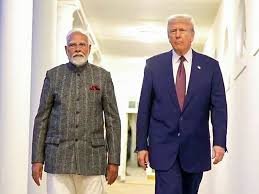
US President Donald Trump may visit India next year, in early 2027. US Secretary of State Marco Rubio announced this on Saturday. The Secretary of State stated that the US administration is preparing for President Trump’s visit to India in early 2027. US Secretary of State Marco Rubio stated that the India-US trade deal is expected to be finalized very soon. President Trump will visit India early next year. He is traveling to India to finalize the President’s visit. He also stated that President Trump and PM Modi have a very good relationship. US Secretary of State Marco Rubio praised Indian Prime Minister Narendra Modi for India’s economic gains and emergence as a global power, saying that the United States is a big fan of him. Rubio also stated that the India-US trade deal is in the final stages of completion. Relations between Trump and Modi are going very well after the positive G7 meeting, and he is planning to visit India before the end of the year to prepare for President Donald Trump’s possible visit early next year.
UCC Expansion Continues: West Bengal Prepares to Table Uniform Civil Code Bill Amid Political Debate
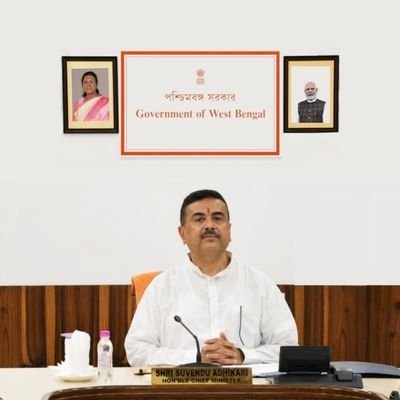
After Uttarakhand, Assam, and Gujarat, the Uniform Civil Code (UCC) is now set to be implemented in West Bengal as well. The West Bengal government is preparing to table the UCC Bill in the Legislative Assembly on June 29, 2026. Under this law, regulations concerning marriage, divorce, inheritance, and adoption will be uniform for all citizens. Key aspects of the UCC in West Bengal include the process of establishing legal timelines. Chief Minister Suvendu Adhikari announced that the UCC Bill would be introduced during the Assembly’s current budget session. Notably, the West Bengal government will follow the roadmap adopted by Uttarakhand, Assam, and Gujarat; a committee headed by a retired judge will be constituted for the UCC. It is worth noting that implementing the UCC in West Bengal was a key promise in the BJP’s election manifesto, in which the party pledged to enforce the UCC within six months of forming the state government. While this move is garnering support from Muslim women, it is also facing stiff opposition from the opposition parties, including the Trinamool Congress and the Congress. They argue that personal laws specific to certain religions are linked to cultural and religious identities, and that the UCC would effectively strip various religions of their distinct cultural identities.